The Electricity Divide Is Keeping More than Half a Billion from Enjoying World Cup
14 July 2026
Daud Kayisi*
At the 2026 FIFA World Cup in the US, Canada, and Mexico, history is being made.
Cape Verde, in their first ever World Cup, has shattered the hierarchy, drawing with Spain, Uruguay, and Saudi Arabia to storm into the knockouts. Morocco sent the Netherlands packing and Paraguay kicked Germany out. Lionel Messi, a soccer icon of our generation, is probably bowing out with fireworks: eight goals including a hattrick. And the French striker, Kylian Mbappe, etched himself in the history books as the all-time top goalscorer in knockout-stages with ten goals.
What a tournament we are witnessing. Yet not everyone is watching. Conrad Shaba, a diehard soccer fan on the outskirts of Malawi’s Capital, Lilongwe, sits in the dark. His home has no electricity. And with matches kicking off at odd hours, bars and clubs are closed, leaving him shut out of the World Cup he loves.
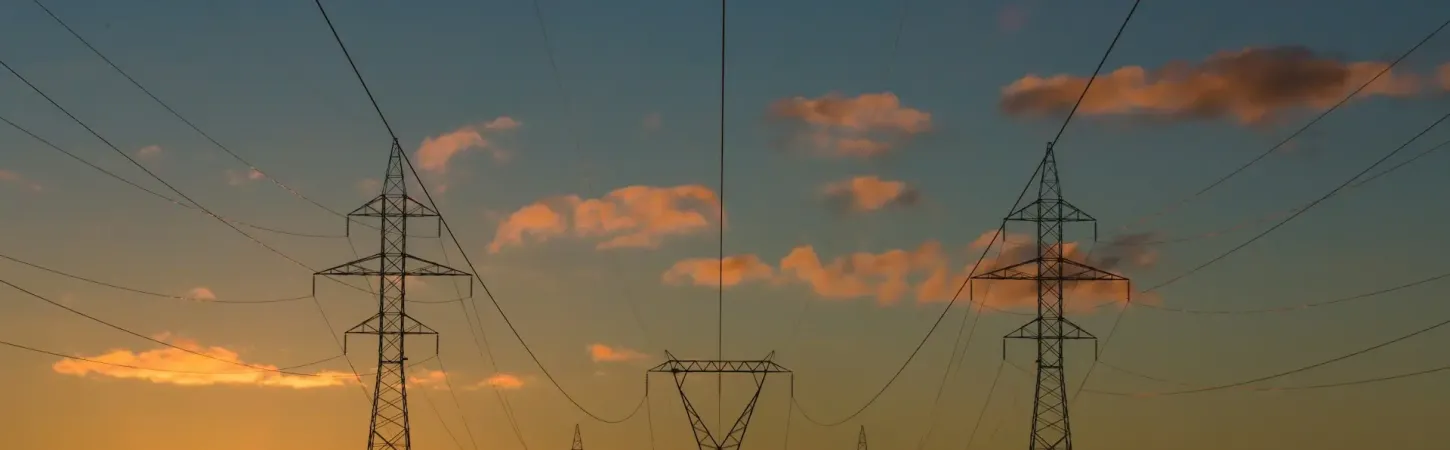
And Conrad isn’t alone. Over half a billion people in the Global South are missing out too because they have no electricity. In Sub-Saharan Africa for instance, countries like Malawi, South Sudan, Burundi and Chad have the lowest electrification rates in the world with only one in ten people having access to electricity. Sometimes that figure is even lower.
Nigeria, the region’s second biggest economy, has nearly 90 million people powerless followed by the naturally rich Democratic Republic of Congo with 80 million.
The irony is stark: Africa holds immense energy potential and yet remains in the dark with little or no meaningful investment in many countries to light up households. And this is a continent spending on average 54 percent of its revenues annually in servicing public debt, a majority of which is owed to Northern creditors. Energy generation is just one of the essential public goods the continent has sacrificed to service unfair and illegitimate debt.
Take for instance the underutilized colossal hydroelectric opportunities in Democratic Republic of Congo, Ethiopia, and Zambia that could power millions. The eleven countries along the East African Rift Valley have geothermal reserves like Kenya’s waiting to be tapped. And abundant natural gas in Tanzania, Nigeria, Algeria, and Mozambique could light up the continent if harnessed. And Sub Sahara holds 60 percent of the world’s best solar resources but accounts for only 3 percent of global electricity generation.
So the real question is not whether the region has the potential. It clearly does. The question is why it remains in the dark, and what it will take to fix the crisis throttling growth and keeping millions powerless.
Energy goes beyond lights. It’s a spark of growth, the input that powers factories, drives commerce, aids production and lifts human development. Access to reliable, affordable, and sustainable energy is an absolute prerequisite that the region needs to industrialize, grow its economy, improve livelihoods, produce adequate food and address poverty and yawning inequalities.
Roughly 50–60 percent of Africa’s workforce in agriculture and most rural families depend on it. Sustainable energy access has the potential to transform the sector, boosting yields and improving livelihoods for millions, especially women.
In the region, energy poverty is shutting down classrooms. Without electricity, attendance plummets, outcomes sink, and the gap between rich and poor widens. The result is a conveyor belt of dropouts, low education levels, and futures locked into lower earnings.
Without reliable power, rural clinics are forced into the shadows, unable to run life‑saving devices, store vaccines, or even keep the lights on. The result is delayed diagnoses, unsafe maternal and infant care, and exhausted health workers abandoning villages for cities. This is inequality in action, condemning millions to second class care simply because they live on the wrong side of the power line. And over reliance on traditional fuels for cooking and heating is poisoning homes with toxic air causing millions of premature deaths, especially among women.
Poor energy access is doing far more than keeping Conrad and half a billion others from the 2026 FIFA World Cup. It is chaining Africa’s progress, fueling poverty and deepening inequalities.
None of this is a glitch. It is a structural crisis baked into an unequal global system. From a rigged financial architecture to a yawning infrastructure financing gap and exploitative trade terms, the deck is stacked against Sub‑Saharan Africa. The 99% are left in darkness while billionaires, aided by the ruling elite, loot billions in natural resources and hijack energy opportunities and crises for profit.
We must rise up and show a red card to the superrich who keep Africa in an energy crisis to protect their profits.
Daud Kayisi is the Fight Inequality Alliance Global Media and Communications Officer